🎼 Eidolove Ocarina Octaves Guide: Simple Understanding of Range & Fingering
Welcome to this professional guide from Eidolove! If you are enjoying your ocarina instrument journey, understanding the concept of "Octaves" and how they affect your ocarina's range is essential. An octave represents the interval between two notes of the same name (e.g., C to the next higher C). For many players, especially those captivated by the epic melodies of Legend of Zelda Ocarina of Time, unlocking the full potential of your range is key to advanced playing.
This guide will simplify the structure of ocarina octaves, explain how to switch registers, and show you how these techniques apply to playing tunes from rina of time.
1. The Ocarina's Range Structure: One to Two Octaves
Most common 12-hole ocarinas (the mainstay of the Eidolove product line) offer a range of approximately one and a half to two full octaves.
The First Octave (Low Register): These notes are typically played by covering all or most tone holes and using a relatively gentle breath stream. These notes are mellow and foundational for many slow, lyrical pieces.
The Second Octave (High Register): These notes are achieved by progressively uncovering the holes and utilizing a much stronger, more focused airflow. This is the brightest and most exciting part of the ocarina's timbre, and necessary for playing the signature high-pitched melodies from The Legend of Zelda Ocarina of Time.
2. Mastering the Octave Switch: The Synergy of Fingering and Breath
Switching octaves on an ocarina (moving from the low to the high register) is not just about lifting fingers; it involves the perfect collaboration of two core elements.
A. Breath Control: The Octave "Accelerator"
This is the most unique and critical skill in ocarina playing:
Low to High: As you cross from the highest note of the first octave (often F or G) into the lowest note of the second octave (the next C or D), you need to significantly increase the pressure and speed of your airflow. This pressure increase is what allows the ocarina to sound the higher pitch.
Consistency is Key: Maintaining stability is paramount. Consult any professional ocarina of time walkthrough, and you'll note that high-range passages demand extremely steady breath to prevent the pitch from sounding sharp or piercing.
Eidolove Tip: Practice controlling your breath from the diaphragm (belly), not just the cheeks or throat, to ensure proper intonation in the high register.
B. Specialized Fingering: The Art of the Subholes
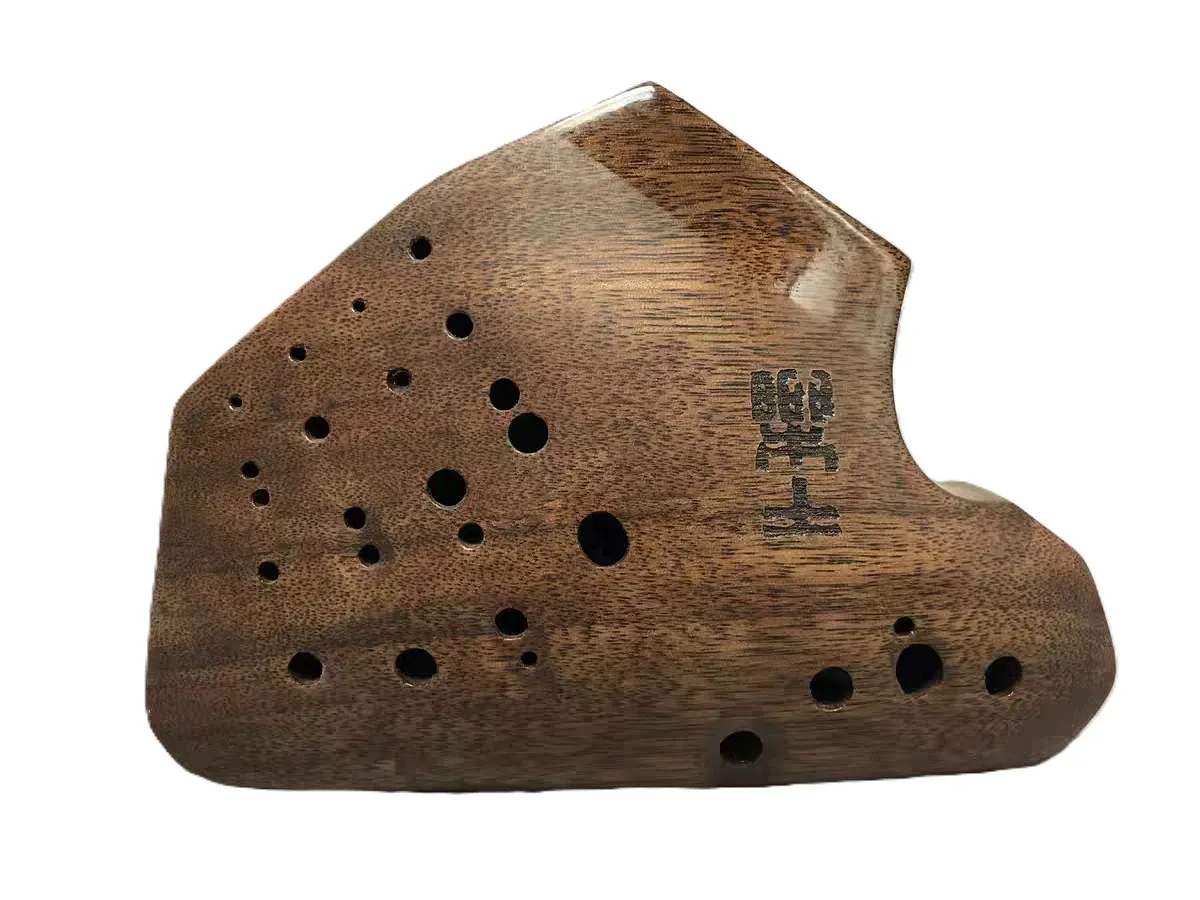
On many 12-hole ocarina instrument models, the high register requires the use of subholes located near the mouthpiece.
High C Fingering: When transitioning from the highest note of the low octave (e.g., G) to the start of the high octave (e.g., C), you often need to open all main holes simultaneously while increasing your breath pressure. This marks the register break.
Subhole Use: Subsequent high notes may require you to use your little finger or ring finger to partially cover or "vent" the subholes to achieve the necessary sharps/flats or the absolute highest notes. This is a critical piece of ocarina of time hints regarding accurate technique.
3. Practical Application: Octave Challenges in LOZ Ocarina of Time
The music from loz ocarina of time provides perfect material for practicing octave changes:
Sun's Song: This tune frequently switches between the low and high registers, making it excellent for practicing rapid breath adjustments.
Song of Time: While the fingering is simple, it requires you to maintain a clear, steady tone quality between notes that span different octaves. Use your ocarina or time and focus on listening to ensure your sound remains pure across the register shift.
By understanding the octave structure of your ocarina instrument and practicing precise breath control and fingering, you will unlock a much wider world of music and take your Eidolove Ocarina playing to the next level!