🎵 Key Takeaway
You know the Major Scale (Do-Re-Mi). But to play Jazz, Blues, or advanced Classical, you need the Chromatic Scale. This means playing every single note (Black and White keys) in order. It is the ultimate finger workout.
Most beginners live in the "Safe Zone" of C Major.
But real music is messy. It has sharps, flats, and accidentals. If you want your fingers to be ready for anything, you need to practice the Chromatic Scale.
The Goal: Play from Low C to High F, hitting every semitone in between, without stopping.
1. The "Slide & Cover" Technique (12-Hole)
On a standard 12-hole ocarina, playing chromatically is a mental workout.
- C → C# (Low): Cover the sub-hole.
- D → D# (Low): Cover the sub-hole.
- F → F# (High): Slide your finger or use a cross-fingering.
It feels like an obstacle course. You need an instrument with precise hole placement.
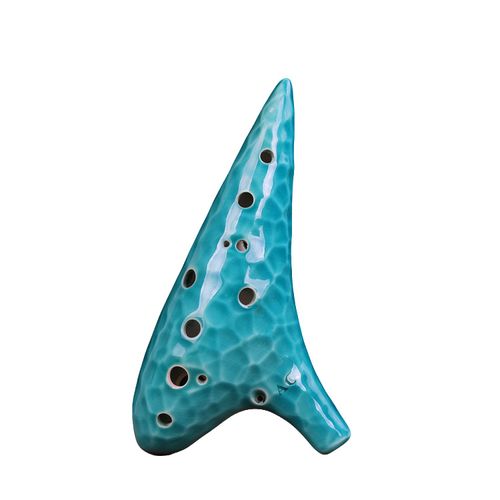
Precision Engineering
The Gradient Green 12-Hole features accurately tuned sub-holes. This makes hitting those tricky low sharps (C# and D#) much easier and more consistent than on cheaper models.
Shop Precision Ocarina →
2. The "Seamless Run" (Triple Ocarina)
Here is the truth: Playing a fast chromatic scale on a 12-hole is hard. The fingerings are awkward.
On a Triple Ocarina, it is surprisingly easier.
Why? Because the notes are spread out logically across three chambers. You don't have to do as many awkward "half-hole slides." You just climb the ladder.
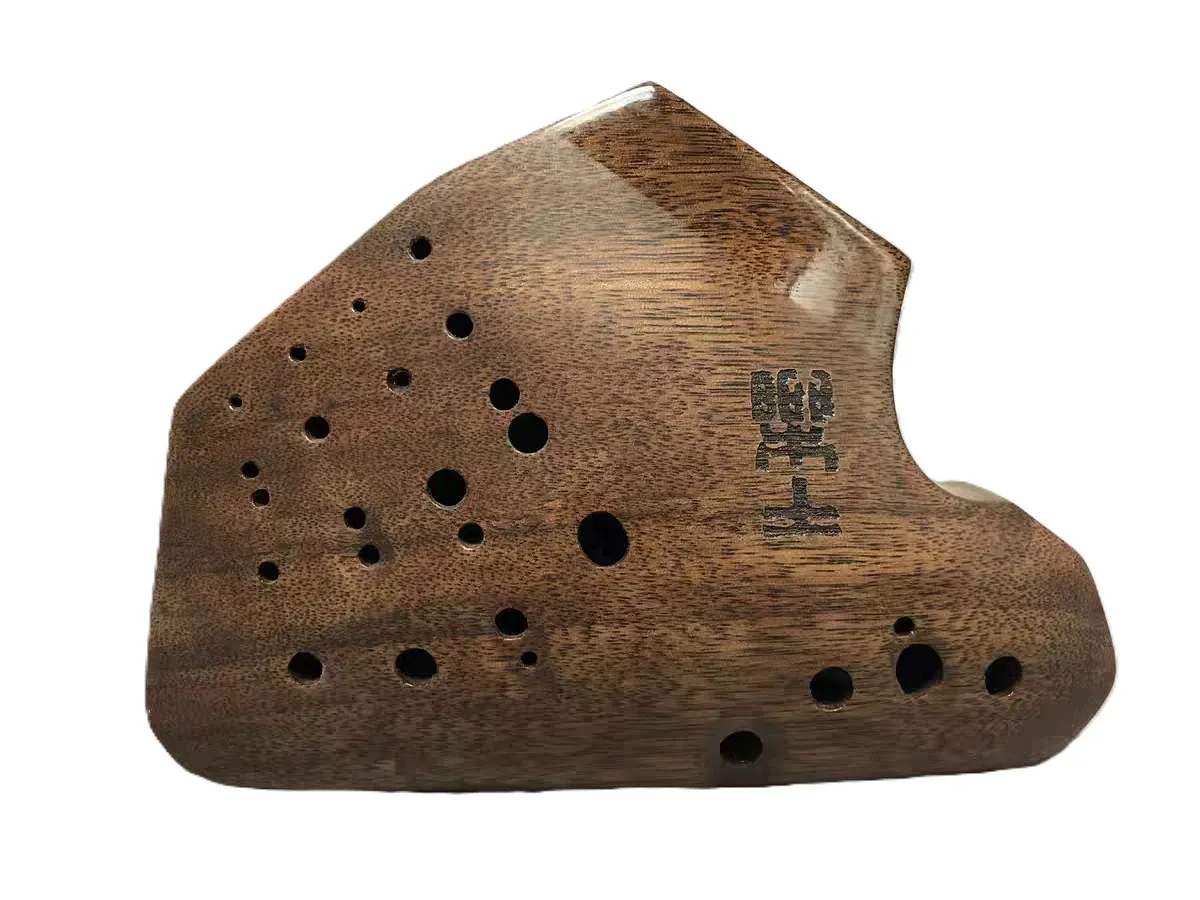
The Chromatic Beast
If you want to play Flight of the Bumblebee (which is basically just a fast chromatic scale), you need a Triple Ocarina. It allows for lightning-fast chromatic runs across 3 octaves without your fingers getting tied in knots.
Master the Triple →
3. The Drill
Start slow. Painfully slow.
C - C# - D - D# - E - F - F# - G...
Listen to each note. Is the C# in tune? Or is it flat? Adjust your breath for every single step.
Summary
If you can play the Chromatic Scale smoothly, you can play any song in the world.